IPTV Services Guide 2026: Features, Setup & Best IPTV Tips
Discover the best IPTV services in 2026. Learn features, setup, pricing, legal considerations, device compatibility, and expert tips to choose the right IPTV provider.
Table of Contents
What Are IPTV Services?
How IPTV Services Work
Why IPTV Services Are Becoming Popular
Key Features of IPTV Services
Types of IPTV Services
Benefits of IPTV Services
Are IPTV Services Better Than Traditional Cable?
Device Compatibility
Internet Speed Requirements
How to Choose the Best IPTV Service
IPTV Setup Guide
Best Practices
Common Mistakes
IPTV Services vs Traditional TV
Frequently Asked Questions
Conclusion
IPTV Services: The Complete Guide to Choosing the Best IPTV in 2026
Introduction
The popularity of IPTV services continues to grow as more viewers move away from traditional cable and satellite television. Instead of relying on conventional broadcast methods, IPTV delivers television channels, live sports, movies, and on-demand entertainment through an internet connection. This modern approach offers greater flexibility, better viewing experiences, and access across multiple devices.
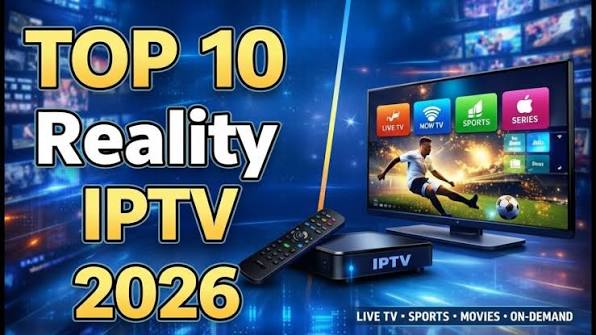
Whether you enjoy live sports, international channels, premium entertainment, or extensive video-on-demand libraries, the right IPTV solution can provide a more convenient and personalized streaming experience. However, with hundreds of providers available, choosing the Best IPTV service requires understanding essential features, internet requirements, device compatibility, pricing, and service quality.
This comprehensive guide explains everything you need to know about IPTV services in 2026. You'll learn how IPTV works, its advantages and disadvantages, important features to evaluate, setup basics, and practical tips for selecting a reliable provider while avoiding common mistakes.
What Are IPTV Services?
Featured Snippet Answer (40–60 words)
IPTV services deliver television channels and on-demand content over an internet connection instead of cable or satellite networks. Users stream live TV, movies, sports, and series on compatible devices such as Smart TVs, Fire TV Stick, Android TV, smartphones, tablets, and computers.
Unlike traditional broadcasting, IPTV uses Internet Protocol (IP) technology to transmit digital television content directly to your connected device.
Most IPTV services typically include:
Live television channels
Sports coverage
International programming
Movies
TV series
Video on Demand (VOD)
Catch-Up TV
Electronic Program Guide (EPG)
Because everything is streamed online, users can watch content almost anywhere with a stable internet connection.
How Do IPTV Services Work?
IPTV services deliver media through internet data packets instead of broadcast signals.
The process usually follows these steps:
A content provider hosts TV channels and media on secure streaming servers.
The IPTV provider organizes channels, VOD libraries, and electronic guides.
Users receive login credentials after subscribing.
Compatible IPTV applications connect to the provider's servers.
Content streams directly through the user's internet connection.
Unlike cable television, IPTV allows greater flexibility because content isn't tied to a physical cable network.
Why IPTV Services Are Becoming So Popular
Several factors have contributed to the rapid growth of IPTV.
Flexible Viewing
Users can stream entertainment at home or while traveling on multiple devices.
Large Content Libraries
Many IPTV services offer thousands of channels alongside extensive movie and TV show collections.
High-Quality Streaming
Many providers support:
HD
Full HD
4K UHD
HDR (where available)
provided your internet connection is fast enough.
Multi-Device Support
Modern IPTV services work across:
Smart TVs
Android TV
Fire TV Stick
Apple TV
Chromecast
Windows PCs
macOS computers
Android phones
iPhones
Tablets
This flexibility makes IPTV appealing for households with multiple viewers.
Key Features to Look for in IPTV Services
Not every IPTV provider offers the same quality. Before subscribing, evaluate these essential features.
Extensive Channel Selection
A quality IPTV service should provide diverse programming, including:
News
Entertainment
Sports
Kids' channels
Documentaries
International content
Regional programming
A balanced channel lineup is often more valuable than simply having thousands of channels.
Video On Demand (VOD)
A strong VOD library allows users to watch movies and TV series whenever they want instead of following scheduled broadcasts.
Look for:
Regular content updates
Organized categories
Search functionality
HD and 4K content
Electronic Program Guide (EPG)
An Electronic Program Guide improves navigation by displaying:
Current shows
Upcoming programs
Channel schedules
Program descriptions
This feature makes IPTV feel similar to traditional television while offering more convenience.
Catch-Up TV
Catch-Up TV enables viewers to watch programs they previously missed without recording them manually.
This feature is particularly useful for:
Live sports
News broadcasts
Daily TV shows
Reality programs
Multi-Screen Support
Many households use several devices simultaneously.
Some IPTV services allow:
Two connections
Three connections
Four or more concurrent streams
This flexibility can reduce costs for families.
Streaming Stability
The Best IPTV providers invest in reliable server infrastructure to minimize:
Buffering
Downtime
Playback interruptions
Channel loading delays
Consistent performance is often more important than having the largest content library.
Customer Support
Reliable customer support improves the overall experience.
Look for providers offering:
Live chat
Email support
Setup guides
Troubleshooting resources
Knowledge bases
Fast support can save time when configuring devices or resolving playback issues.
Types of IPTV Services
IPTV services generally fall into several categories.
Live TV IPTV
Provides access to television channels in real time, including news, sports, entertainment, and regional broadcasts.
Video on Demand (VOD)
Allows viewers to choose movies and series whenever they want.
Catch-Up IPTV
Lets users watch previously aired programs for a limited period after the original broadcast.
Time-Shifted Television
Enables viewers to pause, rewind, or resume live broadcasts depending on provider capabilities.
Benefits of IPTV Services
Choosing IPTV offers several advantages over traditional television.
Some of the biggest benefits include:
Flexible viewing schedules
Larger content libraries
Multi-device compatibility
High-definition streaming
4K support
Lower equipment requirements
Easy installation
Access while traveling
Personalized viewing experience
Frequent content updates
These benefits explain why IPTV continues to gain popularity among modern viewers.
IPTV Services vs Traditional Cable TV
Many viewers compare IPTV services with cable or satellite before deciding which option is best. While both deliver television content, they differ significantly in flexibility, cost, features, and accessibility.
IPTV Services
Advantages
Stream content over an internet connection.
Watch on multiple compatible devices.
Access live TV, movies, sports, and Video on Demand (VOD).
Enjoy flexible viewing from almost anywhere.
Easy setup with IPTV player applications.
Frequent content updates.
Lower hardware requirements.
Disadvantages
Requires a stable internet connection.
Streaming quality depends on network speed.
Service quality varies between providers.
Traditional Cable TV
Advantages
Stable connection in areas with reliable cable infrastructure.
Familiar channel guide and equipment.
Simple installation for existing cable users.
Disadvantages
Limited portability.
Higher equipment requirements.
Fewer on-demand features.
Less flexibility across multiple devices.
For many households, IPTV provides greater convenience, while cable may still suit users who prefer conventional television services.
What Internet Speed Do IPTV Services Need?
Featured Snippet Answer (40–60 words)
Most IPTV services work well with at least 10 Mbps for HD streaming. For Full HD, aim for 20 Mbps, while 30–50 Mbps is recommended for smooth 4K streaming. Faster internet improves stability, especially when multiple devices stream simultaneously.
Recommended Speeds
SD Streaming: 5 Mbps
HD Streaming: 10 Mbps
Full HD: 20 Mbps
4K UHD: 30–50 Mbps
Additional tips:
Use a wired Ethernet connection whenever possible.
Restart your router regularly.
Avoid downloading large files while streaming.
Upgrade your internet plan if multiple users stream simultaneously.
How to Choose the Best IPTV Service
Selecting the Best IPTV provider requires more than comparing prices. Consider the following factors before subscribing.
1. Content Selection
Choose a provider offering:
Live TV
Sports
Entertainment
News
Kids' programming
International channels
Movies
TV series
A well-balanced content library is usually more valuable than simply having a high channel count.
2. Streaming Quality
Look for support for:
HD
Full HD
4K UHD
Adaptive streaming
Reliable streaming quality is more important than the number of available channels.
3. Server Stability
Reliable servers help reduce:
Buffering
Downtime
Freezing
Playback interruptions
Providers with strong infrastructure generally deliver a better viewing experience.
4. Device Compatibility
The service should support popular platforms such as:
Android TV
Fire TV Stick
Smart TVs
Apple TV
Chromecast
Windows
macOS
Android smartphones
iPhone
Tablets
5. User Interface
A clean interface improves navigation.
Look for:
Search functionality
Favorites
Categories
Electronic Program Guide
Recently watched content
6. Customer Support
Responsive support is valuable when:
Setting up devices
Troubleshooting playback
Updating playlists
Renewing subscriptions
Step-by-Step IPTV Setup Guide
Setting up IPTV is usually straightforward.
Step 1
Choose a reliable IPTV service that matches your viewing preferences.
Step 2
Receive your login credentials or playlist information after subscribing.
Step 3
Install a compatible IPTV player on your preferred device.
Step 4
Enter the playlist or account details provided by your IPTV service.
Step 5
Allow the application to load the channel list.
Step 6
Organize favorites and categories for easier browsing.
Step 7
Test several channels to confirm smooth playback.
Best Practices for IPTV Users
Following these practices helps improve your streaming experience.
Maintain a stable internet connection.
Keep your IPTV application updated.
Restart your streaming device periodically.
Use Ethernet when available.
Organize favorite channels.
Remove outdated playlists.
Keep sufficient storage space on your device.
Regularly update firmware on streaming hardware.
Protect account credentials.
Review subscription details before renewal.
Pros and Cons of IPTV Services
Pros
Flexible viewing experience
Multi-device compatibility
Large content libraries
Live TV and Video on Demand
Easy installation
High-definition streaming
Supports 4K content
Frequent updates
Convenient user experience
Cons
Internet connection required
Streaming quality depends on bandwidth
Performance varies between providers
Some services may have occasional downtime
Features differ across providers
Common Mistakes When Choosing IPTV Services
Many first-time buyers make avoidable mistakes.
Choosing Only by Price
The cheapest option is not always the best. Reliability and customer support often matter more than a low subscription cost.
Ignoring Device Compatibility
Always confirm your preferred devices are supported before subscribing.
Overlooking Internet Speed
Even the best IPTV service cannot deliver smooth playback on a slow or unstable internet connection.
Not Testing the Service
Whenever possible, evaluate the service before committing to a long-term subscription.
Ignoring Customer Reviews
Independent reviews and community feedback can provide useful insights into reliability and user experience.
Real-World Example
Imagine a family with four members:
One watches live sports.
One enjoys movies.
One follows international news.
One streams children's programming.
Instead of purchasing multiple cable packages, they use an IPTV service with multi-device support, allowing everyone to watch different content simultaneously on compatible devices. This flexibility demonstrates why IPTV has become increasingly popular for modern households.
People Also Ask
What is the difference between IPTV and streaming services?
Traditional streaming platforms mainly offer on-demand content, while IPTV services typically include live television channels, Video on Demand, Catch-Up TV, and Electronic Program Guides within a single platform.
Are IPTV services worth it?
For users seeking flexible viewing, multi-device compatibility, and extensive entertainment options, IPTV services can provide excellent value when chosen carefully from reputable providers.
Can I use IPTV on multiple devices?
Many IPTV providers support multiple simultaneous connections, allowing users to watch content on Smart TVs, smartphones, tablets, and computers depending on their subscription plan.
Do IPTV services support 4K?
Many modern IPTV services support HD, Full HD, and 4K streaming, provided the content is available and the user has a fast, stable internet connection.
Frequently Asked Questions (FAQ)
1. What are IPTV services?
Answer (Featured Snippet – 40–60 words)
IPTV services deliver live TV channels, movies, sports, and on-demand content over an internet connection instead of cable or satellite. They allow users to stream entertainment on compatible devices such as Smart TVs, Android TV, Fire TV Stick, smartphones, tablets, and computers.
2. How do IPTV services work?
IPTV uses Internet Protocol (IP) technology to stream television content through broadband internet. After subscribing, users access content using an IPTV player or compatible app with login credentials or a playlist provided by the service.
3. What internet speed is recommended for IPTV?
For the best experience:
SD: 5 Mbps
HD: 10 Mbps
Full HD: 20 Mbps
4K UHD: 30–50 Mbps
Higher speeds are recommended if multiple devices stream simultaneously.
4. Can I watch IPTV on multiple devices?
Yes. Many IPTV providers support multiple simultaneous connections depending on the subscription plan. Always verify the number of allowed connections before purchasing.
5. What devices support IPTV?
Most IPTV services work on:
Smart TVs
Android TV
Amazon Fire TV Stick
Apple TV
Chromecast
Android phones
iPhone & iPad
Windows PCs
macOS
Linux
Android TV Boxes
6. Is IPTV better than cable TV?
IPTV generally offers greater flexibility, wider device compatibility, and on-demand features. Traditional cable may provide a more familiar setup, but IPTV is often preferred by users who value convenience and internet-based streaming.
7. Does IPTV include Video on Demand (VOD)?
Many IPTV services include VOD libraries with movies, TV series, and other entertainment that can be watched anytime, alongside live television channels.
8. What features should I look for in the Best IPTV service?
Key features include:
HD and 4K streaming
Stable servers
Electronic Program Guide (EPG)
Catch-Up TV
VOD library
Multi-device support
Responsive customer support
Regular content updates
9. Why does IPTV buffering happen?
Buffering can occur due to:
Slow internet speeds
Network congestion
Weak Wi-Fi signals
Overloaded servers
Outdated apps or devices
Using a wired Ethernet connection and maintaining adequate bandwidth can improve streaming stability.
10. Can I travel with IPTV?
Many IPTV services can be accessed while traveling, provided you have a compatible device and a stable internet connection. Availability may vary depending on the provider's terms and regional restrictions.
11. Are IPTV services suitable for sports fans?
Yes. Many IPTV platforms include live sports channels, event coverage, and high-definition streams, making them popular with sports enthusiasts.
12. How do I choose the best IPTV service?
Compare providers based on:
Content selection
Streaming quality
Device compatibility
Server reliability
Customer support
User reviews
Pricing
Available features
Summary
IPTV services have transformed how people watch television by offering live TV, Video on Demand, Catch-Up TV, and multi-device streaming through an internet connection. Compared with traditional cable, IPTV provides greater flexibility, broader device compatibility, and a more personalized viewing experience.
When selecting the Best IPTV service, focus on reliability, content quality, supported devices, customer support, and streaming performance rather than price alone. A dependable provider combined with a stable internet connection will help ensure smooth, enjoyable viewing.
Conclusion
The demand for IPTV services continues to rise as viewers seek flexible, internet-based entertainment solutions. With features such as live television, on-demand libraries, high-definition streaming, and support for a wide range of devices, IPTV has become a practical alternative to conventional TV services.
Before choosing a provider, evaluate your viewing habits, internet speed, preferred devices, and desired features. Comparing options carefully will help you select a service that offers the best balance of performance, content, and value. By following the recommendations in this guide, you can make a well-informed decision and enjoy a reliable streaming experience.
Author Bio
About the Author
This article was created by a digital content specialist with experience in streaming technology, IPTV platforms, SEO, and consumer technology. The goal is to provide accurate, practical, and easy-to-understand information that helps readers evaluate IPTV services, compare features, and make informed streaming decisions. All recommendations are intended for educational purposes, and readers should verify provider details, device compatibility, and applicable laws before subscribing.
Comment as Guest