IPTV Providers UK: Legal Streaming Guide for 2026
IPTV Providers UK | Legal IPTV & Streaming Guide
Discover how to choose legal IPTV providers in the UK. Learn about features, devices, pricing, internet speeds, and streaming best practices.
IPTV Providers UK: Everything You Need to Know About Legal IPTV Services
Introduction
Internet Protocol Television (IPTV) has transformed the way people watch television in the UK. Instead of relying on satellite dishes or cable connections, IPTV delivers live television channels and on-demand content over a broadband internet connection. This gives viewers greater flexibility to watch their favourite programmes on Smart TVs, smartphones, tablets, and computers.
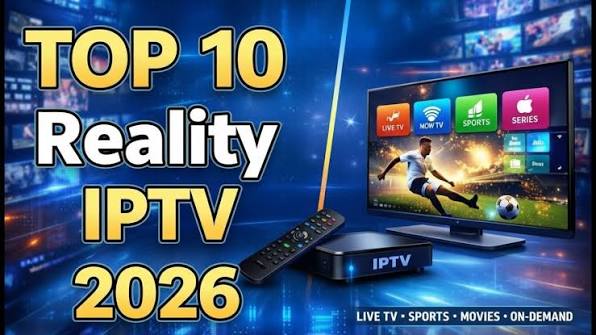
As IPTV becomes more popular, it's important to understand the difference between licensed, legitimate IPTV platforms and services that may distribute content without permission. Choosing a legal provider offers better reliability, customer support, security, and compliance with UK copyright laws.
Whether you're looking for live television, catch-up services, or on-demand entertainment, this guide explains how IPTV works, what features to compare, and how to choose a service that best fits your needs.
Table of Contents
What Is IPTV?
How IPTV Works
Benefits of IPTV
Types of IPTV Services
Features to Consider
Supported Devices
Internet Speed Recommendations
Choosing the Right Provider
Frequently Asked Questions
Conclusion
What Is IPTV?
IPTV (Internet Protocol Television) is a method of delivering television content over an internet connection rather than through traditional cable, satellite, or terrestrial broadcasting.
Many licensed streaming platforms use IPTV technology to deliver:
Live television
On-demand movies and TV shows
Catch-up television
Cloud recording features (where available)
How Does IPTV Work?
Quick Answer
IPTV streams television content over your internet connection. Instead of broadcasting every channel continuously, content is delivered when requested, allowing viewers to watch live TV or on-demand programmes using compatible devices.
The process typically involves:
Secure content servers
Broadband internet delivery
IPTV applications or compatible devices
Video decoding and playback
Benefits of IPTV
Legal IPTV services provide several advantages:
Flexible viewing schedules
Access on multiple devices
HD and 4K streaming where supported
On-demand libraries
Catch-up TV features
User-friendly interfaces
Automatic software updates
Subscription flexibility
Types of IPTV Services
Live TV
Watch television channels in real time over the internet.
Video on Demand (VOD)
Choose movies and series whenever you want to watch them.
Catch-Up TV
Watch recently aired programmes after their original broadcast.
Cloud DVR
Some services allow eligible content to be recorded and viewed later.
Features to Look For
When comparing legal IPTV services, consider:
Transparent licensing
Picture quality
Device compatibility
Easy navigation
Responsive customer support
Regular updates
Secure payment methods
Stable streaming performance
Supported Devices
Most licensed IPTV services work with:
Smart TVs
Android TV
Apple TV
Amazon Fire TV
Chromecast
Roku
Android phones
iPhones
Tablets
Windows PCs
macOS computers
Recommended Internet Speeds
For the best streaming experience:
SD: 5 Mbps
HD: 10 Mbps
Full HD: 20 Mbps
4K Ultra HD: 30–50 Mbps or higher
A stable internet connection is just as important as download speed for smooth playback.
How to Choose the Right Legal IPTV Service
Choosing the best legal IPTV service starts with understanding your viewing habits and comparing features instead of focusing only on price. A licensed provider offers reliable streaming, customer support, regular updates, and access to content it is authorized to distribute.
Consider Your Viewing Needs
Before subscribing, ask yourself:
Do you mainly watch live TV?
Do you prefer movies and TV series on demand?
Will multiple family members watch simultaneously?
Do you need support for Smart TVs or mobile devices?
Answering these questions helps narrow your options.
Compare Available Features
When evaluating a legal IPTV service, look for:
Live TV channels
Video on Demand (VOD)
Catch-up TV
Cloud DVR (if available)
HD and 4K streaming
Multi-device compatibility
User-friendly interface
Responsive customer support
Check Device Compatibility
Most licensed IPTV platforms support:
Smart TVs
Android TV
Apple TV
Amazon Fire TV
Chromecast
Roku
Android smartphones
iPhone and iPad
Windows PCs
macOS computers
Always verify compatibility before purchasing a subscription.
IPTV vs Traditional Television
IPTV Advantages
Watch on multiple devices
Flexible viewing schedules
On-demand content
Modern streaming interface
Easy software updates
Traditional TV Advantages
Familiar viewing experience
No dependence on home internet for broadcast delivery
Straightforward setup for many households
Your ideal choice depends on your internet connection, preferred devices, and viewing habits.
Best Practices
For the best experience:
Maintain a stable broadband connection.
Use official apps from trusted sources.
Keep devices updated.
Restart your router occasionally.
Use Ethernet instead of Wi-Fi when possible for 4K streaming.
Protect your account with a strong password.
Expert Tips
Compare features before comparing prices.
Read recent customer reviews.
Take advantage of free trials if offered.
Review cancellation and refund policies.
Ensure your broadband speed supports your preferred streaming quality.
Check how many simultaneous streams are included.
Common Mistakes
Avoid these common errors:
Choosing a service based only on price.
Ignoring licensing information.
Not checking supported devices.
Underestimating internet speed requirements.
Using outdated streaming apps.
Forgetting to compare subscription plans.
Frequently Asked Questions
Is IPTV legal in the UK?
Yes. IPTV is legal when the provider has the necessary rights and licences to distribute the content it offers.
Do I need a satellite dish?
No. IPTV works through your broadband internet connection.
What internet speed is recommended?
A stable connection of at least 10 Mbps is suitable for HD streaming, while 30–50 Mbps or more is recommended for 4K content.
Can I watch on more than one device?
Many providers support multiple devices or simultaneous streams, depending on the subscription plan.
Does IPTV work on Smart TVs?
Yes. Most licensed IPTV services provide apps for compatible Smart TVs or support streaming devices.
Can I watch while travelling?
Some services allow viewing while travelling, although availability may depend on licensing agreements and geographic restrictions.
Is IPTV better than cable?
IPTV offers greater flexibility and on-demand viewing, while cable may be preferable where internet connectivity is limited.
How do I know if a provider is legitimate?
Look for transparent pricing, clear licensing information, official apps, secure payment methods, and responsive customer support.
Can I record programmes?
Some licensed IPTV services include cloud DVR or recording functionality for supported content.
What is the biggest advantage of IPTV?
The ability to watch live television and on-demand content across multiple compatible devices using a single internet connection.
Conclusion
Legal IPTV services offer a convenient and flexible way to enjoy television over the internet. By choosing a licensed provider, checking device compatibility, and ensuring you have a reliable broadband connection, you can enjoy a high-quality streaming experience while supporting legitimate content creators and broadcasters.
Take the time to compare features, pricing, and customer support before subscribing to find the service that best suits your entertainment needs.
Author Bio
About the Author
This guide was written by a technology and streaming industry writer with experience covering digital entertainment, consumer technology, and online media. The goal is to provide accurate, practical, and easy-to-understand information that helps readers make informed decisions about legal IPTV services.
Comment as Guest