Video Library – Discover Movies, TV Shows & On-Demand Content
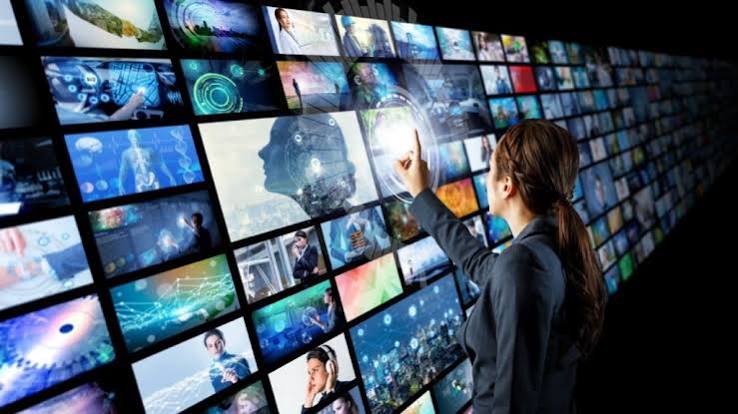
Introduction
The way people watch entertainment has changed dramatically. Instead of depending entirely on traditional television schedules, viewers increasingly want convenient access to movies, TV shows, sports, documentaries, and other digital content whenever they have free time. A well-organized Video Library can make this experience much easier by bringing different types of content together in one accessible location.
A modern Video Library is more than simply a collection of videos. It can provide an organized entertainment environment where viewers can browse categories, discover new programs, revisit favorite shows, and choose content according to their interests. With on-demand viewing becoming increasingly popular, having a structured library can help users spend less time searching and more time watching.
Whether someone enjoys movies, television series, documentaries, family entertainment, sports replays, or educational videos, a properly organized Video Library can make finding suitable content much more convenient.
This guide explains the concept of a Video Library, its important features, benefits, organization methods, and how viewers can get the most from an on-demand entertainment collection.
What Is a Video Library?
A Video Library is an organized collection of video content that users can browse and access according to the availability and rights provided by the content provider. Unlike traditional scheduled television, a library-style viewing experience allows people to explore available content and select what they want to watch.
A digital library can contain many different types of programming, including:
Movies
TV series
Documentaries
Sports replays
Kids' entertainment
Educational programs
Lifestyle content
News-related recordings
Music videos
Special programs
On-demand shows
The exact selection depends on the platform or service offering the library.
One of the biggest advantages of a Video Library is organization. Instead of searching through unrelated channels or websites, viewers can use categories and filters to locate content that matches their interests.
Why Video Libraries Are Becoming Popular
Convenience is one of the major reasons viewers are interested in organized digital content. People have different schedules, preferences, and viewing habits. A library-based system gives them more flexibility when supported by the service.
For example, someone who works during traditional television hours may prefer watching a program later. Another viewer may want to watch several episodes of a TV series during the weekend. A well-designed Video Library can support these viewing habits when the relevant content is available on demand.
Another advantage is content discovery. Instead of relying only on recommendations from television schedules, users can browse different categories and discover programs they may not have searched for previously.
Main Categories in a Video Library
A strong library generally organizes content into recognizable categories. This makes navigation easier and improves the overall viewing experience.
Movies
Movie collections can include different genres such as:
Action
Comedy
Drama
Thriller
Science fiction
Romance
Animation
Family
Adventure
Documentary
Genre-based organization allows viewers to quickly identify movies that match their mood.
TV Series
TV series are another important component of a Video Library. Episodes can be grouped according to the show and season, making it easier to continue watching a series.
A useful organization system might include:
Series → Show → Season → Episode
This structure is especially helpful for viewers who watch serialized programs.
Sports Content
Some libraries may include recorded or on-demand sports programming where licensing permits. Depending on the provider, this could include:
Match replays
Highlights
Sports documentaries
Interviews
Analysis programs
Tournament-related content
Sports fans can benefit from organized categories because finding a particular event becomes easier.
Family and Kids Content
Family entertainment can be separated into age-appropriate categories. Parents can browse available children's programs without navigating through unrelated adult-oriented entertainment.
Possible categories include:
Cartoons
Animated movies
Educational shows
Family movies
Children's series
Search and Discovery
A useful Video Library should make content discovery simple. Search functionality allows users to enter titles, genres, actors, or other supported information.
For example, a viewer searching for a particular movie should ideally be able to find it without scrolling through hundreds of unrelated titles.
Filtering can also improve navigation. Depending on the platform, users may be able to filter content by genre, release year, language, category, or other available metadata.
Convenience and Flexibility
One of the primary benefits of a Video Library is convenience. Viewers can browse available content without depending entirely on a fixed programming schedule.
This can be useful for people with busy lifestyles. Instead of planning their day around a particular broadcast time, they can explore available on-demand programming when it fits their schedule.
However, availability depends on the specific service, subscription, region, and content licensing.
Organized Content
Organization is another major benefit.
Imagine opening a platform and seeing hundreds or thousands of videos without categories. Finding a specific program could take considerable time.
A structured Video Library can divide content into logical sections, making navigation more straightforward.
For example:
Home → Movies → Action → Selected Movie
or
Home → TV Shows → Drama → Series → Season 1
This hierarchy makes a large amount of content easier to manage.
Improved Content Discovery
A library can also encourage users to discover new entertainment.
A viewer might initially search for a comedy movie but notice a documentary category while browsing. They may then discover content they would not otherwise have considered.
Featured sections can also help highlight popular or recently added programming.
Common sections include:
Featured Videos
New Additions
Popular Movies
Trending Shows
Recommended Content
Recently Added
Family Favorites
These categories can make the platform feel more dynamic.
Better Browsing Experience
A professional Video Library should focus on easy navigation. Users should not need advanced technical knowledge to find content.
Important interface elements can include:
Search bar
Category menus
Genre filters
Content thumbnails
Descriptions
Ratings where applicable
Season and episode information
Recently watched section
A simple interface can make a significant difference to the viewing experience.
Video Quality
Video quality is another important consideration when choosing an entertainment platform.
Depending on the service and content availability, videos may be offered in different resolutions, such as:
Standard Definition
HD
Full HD
4K
Higher resolution can provide a more detailed image, but the actual experience also depends on the device, internet connection, streaming technology, and content source.
Users should therefore consider their internet connection and device capabilities before selecting a high-resolution option.
Multi-Device Accessibility
Modern viewers often use more than one device for entertainment.
Depending on the provider, a Video Library may be accessible through devices such as:
Smart TVs
Android devices
iPhones
Tablets
Computers
Streaming devices
The supported devices depend on the specific service.
A responsive platform can allow users to continue browsing entertainment across compatible devices.
User Profiles and Personalization
Some platforms provide individual profiles. This can help separate viewing preferences between different members of a household.
For example, different profiles could maintain separate:
Watch histories
Favorites
Recommendations
Preferences
Personalization can make a large Video Library feel more relevant to each viewer.
Recently Watched Content
A recently watched section can be especially useful for serialized content.
If someone watches several episodes of a TV show, they may want to return later and continue from where they stopped.
A "Continue Watching" feature can reduce the need to search for the same program repeatedly.
Favorites and Watchlists
Another useful feature is the ability to save interesting programs.
Instead of remembering the title of every movie or show they want to watch, users can add content to a favorites list or watchlist if the platform supports it.
This creates a personalized collection within the larger Video Library.
What Should You Look For?
When evaluating a Video Library, viewers should consider several factors rather than focusing only on the number of available videos.
Content Selection
First, examine whether the library contains the types of content you actually watch.
A huge library is not necessarily useful if it lacks your preferred movies, series, documentaries, or other programs.
Look for relevant categories and regularly updated content where applicable.
Organization
A good library should be easy to navigate.
Check whether the platform provides:
Clear categories
Useful search tools
Genre filters
Organized TV seasons
Content descriptions
Easy navigation
The quality of organization can matter just as much as the size of the catalog.
Device Compatibility
Check whether the service works with your preferred device.
If you primarily watch television, Smart TV compatibility may be important. If you frequently travel, mobile or tablet support may be more useful.
Always check the provider's current supported-device list.
Streaming Performance
Streaming performance depends on multiple factors, including your internet connection, device, network conditions, and service infrastructure.
A reliable connection can help reduce interruptions, but no platform can guarantee identical performance in every situation.
Content Legality and Licensing
This is an important consideration when choosing any streaming service.
Users should choose providers that have the appropriate rights or licenses for the content they offer in their region. Copyright rules vary by country, and accessing unauthorized content can create legal and security risks.
Checking the provider's terms, licensing information, and reputation can help users make more informed decisions.
How to Get the Most From a Video Library
Once you have access to a suitable library, organization can improve your viewing experience.
Use Search Instead of Endless Scrolling
If you know the title you're looking for, use the search function instead of browsing every category.
This saves time and makes navigation more efficient.
Explore Categories
Don't limit yourself to one category. Exploring different genres can help you discover new movies, series, and documentaries.
Create a Watchlist
If the service supports a watchlist, use it to save programs you want to watch later.
This is especially useful when discovering several interesting titles at once.
Check New Additions
Some platforms regularly add new content. Checking the new or recently added section can help you discover fresh programming.
Use Parental Controls When Available
For households with children, parental controls can provide an additional layer of content management where supported.
Parents should review available settings and configure them according to their household requirements.
Video Library vs Traditional Television
Traditional television generally follows a predefined programming schedule. Viewers watch whatever is being broadcast at a particular time.
A Video Library, by comparison, focuses on browsing available content and selecting programs according to the viewer's preferences when on-demand access is provided.
Feature | Traditional TV | Video Library |
|---|---|---|
Viewing schedule | Fixed | Often on demand |
Content browsing | Channel-based | Category-based |
Search | Limited | Usually available |
Watchlist | Usually unavailable | Often available |
Continue watching | Limited | Often available |
Content discovery | Program guide | Search and categories |
Neither approach is necessarily better for everyone. Some people enjoy scheduled television, while others prefer choosing content independently.
Video Library for Different Types of Viewers
For Movie Fans
Movie enthusiasts can benefit from genre-based collections and searchable catalogs. A properly categorized library can make it easier to find movies according to mood or genre.
For TV Series Fans
Series viewers may benefit from season and episode organization. This makes it easier to follow a program in sequence.
For Sports Fans
Where licensed content is available, sports-oriented libraries can provide replays, highlights, documentaries, and related programming.
For Families
Families can use dedicated kids and family categories to find suitable entertainment more efficiently.
For Casual Viewers
People who watch television occasionally may appreciate the convenience of searching for something interesting instead of following a fixed schedule.
Key Features and Benefits of a Video Library
A modern Video Library can transform the way viewers discover and enjoy digital entertainment. Instead of depending entirely on fixed television schedules, users can browse organized categories and find content according to their interests. From movies and TV series to documentaries, family programs, sports replays, and other on-demand content, a well-structured Video Library provides a convenient way to manage entertainment.
1. Organized Entertainment in One Place
One of the biggest advantages of a Video Library is organization. When a platform contains a large amount of content, proper categorization makes it easier for users to find what they want.
A library can separate content into sections such as:
Movies
TV Shows
New Releases
Popular Content
Documentaries
Sports
Kids & Family
Comedy
Drama
Action
Science Fiction
Lifestyle
Educational Content
This structure allows viewers to browse according to their interests instead of searching randomly through a large collection.
2. Easy Search and Content Discovery
Search functionality is an important part of a useful Video Library. When viewers already know what they want to watch, they can search for a title instead of manually browsing through multiple categories.
For example, a viewer looking for a particular TV series can search for the show's name and, where supported, access its available seasons and episodes.
Search tools can also help users discover related content. Depending on the platform, users may be able to search by title, genre, year, language, or other available information.
3. Movies and TV Series
Movies and TV series are often among the most popular sections of a digital Video Library.
Movie collections can be organized by genre, while TV series can be arranged by show, season, and episode.
A simple structure could look like:
TV Shows → Drama → Series Name → Season 1 → Episode 1
This organization is particularly useful for viewers who enjoy watching serialized programs.
Instead of remembering individual episode names, users can navigate through the season and continue watching in order.
4. On-Demand Viewing
On-demand access is one of the major reasons people use digital libraries. When content is available on demand, viewers can select a program based on their own schedule rather than waiting for a specific broadcast time.
This flexibility can be useful for people with different daily routines.
Someone may watch a movie in the evening, a documentary during the weekend, or several episodes of a series when they have more free time.
The exact availability of on-demand viewing depends on the service and its content rights.
5. Continue Watching
A Continue Watching feature can make a Video Library even more convenient.
Suppose a viewer watches half of a movie but does not have enough time to finish it. A continuation feature can help the viewer return to the same content later, where supported.
The same feature can be helpful for TV series. Users can quickly return to their next episode without searching through the entire library again.
This can save time and create a smoother viewing experience.
6. Favorites and Watchlists
A large library can contain hundreds or thousands of titles. Users may discover several programs they want to watch but may not have enough time to watch them immediately.
A favorites or watchlist feature can solve this problem.
Users can save interesting content and return to it later. A personal watchlist may contain:
Movies to watch
New TV series
Documentaries
Family programs
Sports replays
Recommended content
This makes content management more personalized.
7. Personalized Viewing
Some platforms provide personalization features that help users find content based on their interests.
For example, if a viewer regularly watches action movies, the platform may highlight similar titles where recommendation features are available.
Personalized recommendations can reduce the amount of time users spend searching and increase content discovery.
However, recommendations vary from platform to platform and should be viewed as suggestions rather than guarantees of quality or relevance.
8. Video Quality Options
Video quality is another important factor when evaluating a Video Library.
Depending on the provider and content, users may encounter different resolutions, including:
SD
HD
Full HD
4K
Higher resolution can provide sharper images, but the viewing experience depends on several factors.
These may include:
Internet speed
Network stability
Device capability
Display resolution
Streaming technology
Content availability
A high-resolution video may require more bandwidth than a lower-resolution stream.
Therefore, users should select quality settings appropriate for their internet connection and device.
9. Smart TV Compatibility
Many viewers prefer watching entertainment on larger screens. Smart TV compatibility can therefore be an important consideration when choosing a Video Library service.
Depending on the provider, supported devices may include different Smart TV platforms and streaming devices.
Before subscribing to or using a service, users should check the provider's current device compatibility information.
10. Mobile Viewing
Mobile devices have also changed viewing habits.
A compatible Video Library can allow users to browse or watch available content through smartphones and tablets, depending on the platform.
Mobile accessibility can be useful for viewers who do not always watch entertainment from a television.
However, users should consider mobile data usage when streaming video over cellular networks.
11. Family Entertainment
A well-organized Video Library can include dedicated family entertainment sections.
These sections can make it easier for parents and families to find suitable programs.
Possible categories include:
Animated movies
Kids' shows
Educational programs
Family movies
Children's series
Nature content
If parental controls are available, parents can also review and configure those settings according to their household preferences.
12. Sports and Replay Content
Some digital libraries may include sports-related content where the provider has appropriate rights.
This could include:
Match replays
Highlights
Interviews
Sports documentaries
Analysis programs
Tournament content
For sports enthusiasts, organized replay sections can make it easier to locate previously available events.
However, users should verify that sports content is legitimately licensed for their region.
13. Documentary Collections
Documentaries provide educational and informational entertainment.
A Video Library can organize documentaries into categories such as:
Nature
History
Technology
Science
Travel
Business
Culture
Biography
This allows viewers to discover informative programming alongside traditional entertainment.
14. New Content and Featured Sections
A library can become more engaging when it regularly highlights available content.
Common sections include:
New Additions
Shows recently added to the available catalog.
Featured Content
Selected programs highlighted by the platform.
Popular Content
Titles receiving significant viewing interest where such data is available.
Recommended Content
Programs suggested according to available recommendation systems.
These sections can make it easier for users to discover something new.
15. Better Browsing Experience
A successful Video Library should not only contain good content; it should also provide a simple browsing experience.
Important interface features can include:
Clear menus
Search functionality
Category navigation
Content thumbnails
Short descriptions
Genre filters
Favorites
Watchlists
Continue Watching
Recently Added sections
A simple interface can be especially valuable for viewers who are not technically experienced.
16. Why Organization Matters
Imagine opening a library with thousands of videos but no categories or search function. Finding a particular movie could become frustrating.
Now imagine the same collection divided into clear categories with a search bar and useful filters.
The second experience is much easier.
This demonstrates why organization is one of the most important characteristics of a successful Video Library.
Content quantity matters, but content accessibility matters too.
17. Video Library for Movie Lovers
Movie fans can use a digital library to explore different genres and discover new titles.
Instead of selecting whatever happens to be playing on television, viewers can browse available movies and choose based on their interests.
For example, a user might select:
Movies → Comedy
or:
Movies → Action → Recent Additions
This approach makes movie discovery more flexible.
18. Video Library for TV Series Fans
TV series viewers can benefit from season-based organization.
A good structure can allow viewers to locate:
Series → Season → Episode
This is particularly helpful for long-running shows.
Users can also use watchlists and continue-watching features where available.
19. Video Library for Families
Families often have different entertainment preferences.
One person may enjoy documentaries, another may prefer movies, while children may want animated programs.
A categorized library can make it easier for everyone to find suitable content.
Separate family and children's sections can also simplify browsing.
20. Choosing the Right Video Library
When evaluating a Video Library, do not focus only on the number of titles.
Consider the complete experience.
Content
Does the catalog contain the movies, shows, and other programs you actually want?
Organization
Can you easily navigate between categories?
Search
Can you quickly find specific titles?
Compatibility
Does it support the devices you use?
Quality
Does it offer suitable video quality for your device and connection?
Reliability
Does the service provide a stable viewing experience?
Legitimacy
Does the provider clearly operate with appropriate content rights and licensing?
These factors can help viewers make a more informed decision.
21. Video Library and Traditional TV
Traditional television and a Video Library offer different viewing experiences.
Traditional television usually follows a scheduled programming model. A viewer watches whatever is broadcast at a particular time.
A library-based service focuses more on selection and on-demand access when supported.
Feature | Traditional TV | Video Library |
|---|---|---|
Programming | Scheduled | Often on demand |
Search | Limited | Usually available |
Categories | Channel-based | Content-based |
Watchlist | Usually limited | Often available |
Continue Watching | Limited | Often available |
Content discovery | Program guide | Search and categories |
The best option depends on individual viewing habits.
22. Making Entertainment More Convenient
The biggest purpose of a Video Library is convenience.
Instead of searching across multiple locations, users can explore an organized collection from one interface.
When combined with search, categories, watchlists, recommendations, and compatible devices, the library can become a central destination for entertainment.
23. Safe and Responsible Streaming
Users should always consider the legitimacy of the platform they choose.
A reliable entertainment service should provide clear information about its content, terms, privacy practices, and supported regions.
Avoid services that make unrealistic promises or provide unclear information about content rights.
Users should also protect their accounts with strong passwords and avoid sharing login information unnecessarily.
24. Future of Video Libraries
The future of digital entertainment is likely to continue emphasizing convenience, personalization, and on-demand access.
As viewers become more comfortable with digital platforms, expectations for better search, smarter recommendations, easier navigation, and cross-device compatibility may continue to grow.
Artificial intelligence and improved recommendation technologies may also make content discovery more personalized.
However, content licensing, privacy, security, affordability, and user experience will remain important considerations.
Conclusion
A modern Video Library can provide a convenient way to organize and discover digital entertainment. From movies and TV series to documentaries, family programming, sports-related content, and educational videos, a structured library can make browsing easier and more enjoyable.
How to Choose and Get the Most From a Video Library
A Video Library has become an important part of modern digital entertainment. As viewers move away from fixed schedules and look for more flexible ways to discover movies, TV shows, documentaries, family programs, and other content, organized on-demand collections continue to provide a convenient viewing experience.
However, choosing the right library involves more than simply looking at the number of available titles. Content quality, organization, search tools, device compatibility, streaming performance, usability, privacy, and legitimate content availability should all be considered.
How to Choose the Right Video Library
Before choosing a Video Library, consider your personal viewing habits.
If you mainly watch movies, look for a platform with strong movie categories. If you prefer TV series, check whether shows are properly organized by season and episode. Sports fans should look for relevant sports content where legally available, while families may prefer services with dedicated children's and family sections.
1. Check the Available Content
The size of a library can look impressive, but quantity does not always equal usefulness.
A smaller collection containing content you actually enjoy can be more valuable than a huge catalog filled with programs that do not match your interests.
Check for categories such as:
Movies
TV series
Documentaries
Sports
Kids
Family entertainment
Lifestyle
Educational programs
Music
International content
Content availability can vary according to country, licensing agreements, subscription plans, and other factors.
2. Look for Easy Navigation
A good Video Library should be simple to navigate.
Users should be able to move between categories without confusion. Important sections should be easy to find, and the search function should be visible and responsive.
A simple interface can improve the experience for everyone, including users who are not highly familiar with streaming technology.
3. Consider Search and Filtering
Search functionality becomes increasingly important as a library grows.
A useful search tool can help viewers locate a specific title quickly.
Filters may also allow users to narrow results according to categories, genres, years, languages, or other information supported by the service.
For example, instead of browsing hundreds of movies, a viewer might select:
Movies → Comedy → Recent Additions
This can make discovery significantly easier.
4. Check Supported Devices
Device compatibility should always be considered before choosing a streaming platform.
Depending on the service, a Video Library may support:
Smart TVs
Android smartphones
iPhones
Tablets
Windows computers
Mac computers
Streaming devices
Not every platform supports every device.
Therefore, users should check official compatibility information before subscribing.
5. Consider Internet Requirements
Streaming video requires a suitable internet connection.
The bandwidth needed can vary according to video resolution and streaming technology.
High-resolution video generally requires more bandwidth than standard-definition video.
Users should consider:
Internet speed
Wi-Fi quality
Network stability
Number of connected devices
Video resolution
A strong and stable connection can help provide a smoother streaming experience.
6. Understand Video Quality
When evaluating a Video Library, consider what video quality is actually available.
Some services may offer SD, HD, Full HD, or 4K content depending on the title and subscription.
However, not every title will necessarily be available in the highest resolution.
A user's television or monitor must also support the desired resolution.
For example, watching 4K content requires compatible hardware and suitable streaming conditions.
7. Explore the User Interface
The user interface can significantly influence the overall experience.
A well-designed library should make common actions easy:
Search
Play
Pause
Browse
Save favorites
Continue watching
Change categories
View descriptions
If users have difficulty finding basic features, even a large content catalog can become frustrating.
8. Use Your Watchlist
A watchlist can help users manage interesting content.
Whenever you discover a movie or series that you want to watch later, adding it to your watchlist can save time.
Instead of trying to remember the title, you can return to your saved list later.
This is particularly useful when browsing a large Video Library.
9. Use Continue Watching
If the service provides a continue-watching function, use it to return to unfinished programs.
This is especially helpful for:
TV series
Long movies
Documentaries
Multi-part programs
It can eliminate the need to search for the same title repeatedly.
10. Explore New Additions
Many platforms highlight recently added content.
Checking the new additions section can help viewers discover programs they may not have searched for directly.
A simple weekly browsing routine can introduce users to different genres and new entertainment options.
11. Discover Different Genres
One of the best ways to get more value from a Video Library is to explore beyond your usual preferences.
If you normally watch action movies, try documentaries. If you usually watch comedy, explore family entertainment or drama.
Different categories can introduce viewers to new programs.
12. Create a Personal Viewing Routine
A digital library can be used according to your personal schedule.
For example:
Weekdays: Short TV episodes
Friday: Movie night
Weekend: Documentaries or family programs
A personal viewing routine can make entertainment more organized without requiring a fixed television schedule.
13. Video Library for Movie Nights
A Video Library can be particularly useful for movie nights.
Instead of spending a long time searching for something to watch, families or friends can browse movie categories beforehand and create a shortlist.
Possible movie-night categories include:
Comedy
Family
Action
Adventure
Animation
Documentary
The final choice can then be made from the shortlist.
14. Video Library for TV Series
Series fans can use a library to organize their viewing around seasons and episodes.
A clear structure makes it easier to follow a show from beginning to end.
If the service supports progress tracking, users can also identify where they stopped previously.
This can create a more seamless viewing experience.
15. Video Library for Educational Content
Not all digital video content is entertainment.
Some libraries may include educational programming covering topics such as:
Science
History
Technology
Business
Languages
Nature
Geography
Students and lifelong learners may find these categories useful for additional learning and exploration.
The quality and educational value of individual programs should always be evaluated independently.
16. Video Library for Families
Families can benefit from organized categories that make children's entertainment easier to locate.
Parents can review available titles and, where supported, use parental controls to manage access.
It is important to remember that age ratings and parental-control options differ between platforms.
Parents should review the settings available on their chosen service.
17. Managing Multiple Viewers
Households often contain people with different interests.
One person may prefer sports, another movies, while children may prefer cartoons.
Where profile features are available, individual profiles can help separate viewing histories and recommendations.
This can make the Video Library more personalized for each household member.
18. Privacy and Account Security
Users should also pay attention to account security.
Basic security practices include:
Use a strong password
Avoid sharing passwords unnecessarily
Keep account information private
Use official applications
Keep compatible devices updated
Review account settings regularly
If a service supports additional security measures, users should consider enabling them.
19. Check Terms and Content Rights
Before using a streaming platform, users should review its terms and information about content availability.
Copyright and streaming laws can vary between countries.
A legitimate Video Library should provide appropriate access to the content it distributes.
Users should avoid platforms that are unclear about their licensing arrangements or make suspicious promises about access to copyrighted material.
20. Avoid Unrealistic Claims
When researching streaming services, be cautious about exaggerated marketing claims.
Statements such as unlimited access to every movie ever released or guaranteed access to every premium event may not accurately represent actual availability.
Instead, users should look for clear information about:
Content
Pricing
Supported devices
Regions
Terms
Features
Content licensing
Clear information allows users to make better decisions.
21. Cost and Value
Price is another factor when evaluating a Video Library.
The cheapest service is not always the best value, and the most expensive service is not automatically the best option.
Compare the features that actually matter to you.
For example:
Service A: Lower price but limited content
Service B: Higher price with broader categories
Service C: Specialized content for a particular audience
The best option depends on personal needs and budget.
22. Free Trials and Promotions
Some legitimate streaming services may offer free trials or promotional periods.
If a trial is available, users should review the terms carefully.
Pay attention to:
Trial duration
Automatic renewal
Cancellation requirements
Supported payment methods
Available content
Geographic restrictions
This helps prevent unexpected charges.
23. Why Content Organization Matters
A large catalog without organization can create what is sometimes called choice overload.
When users have too many options, they may spend more time deciding what to watch than actually watching.
A properly structured Video Library can reduce this problem through categories, recommendations, search tools, and curated sections.
The goal is not simply to provide more content but to make useful content easier to discover.
24. Future Trends in Video Libraries
The future of digital libraries is likely to focus heavily on personalization and convenience.
Potential developments include:
Smarter recommendations
Better search
Voice-based discovery
Improved content categorization
Cross-device synchronization
More personalized profiles
Advanced viewing analytics
Improved accessibility features
Artificial intelligence may also become more important in helping users discover relevant content.
However, privacy and transparency will remain important as platforms collect and analyze viewing preferences.
25. Accessibility Features
Accessibility is another important area.
Depending on the service, useful features may include:
Subtitles
Closed captions
Audio descriptions
Adjustable text
Multiple language options
Accessible navigation
These features can make digital entertainment more useful for a wider audience.
Availability varies by provider and individual title.
26. Building a Better Viewing Experience
A great Video Library is only one part of the viewing experience.
Users can also improve their setup by:
Using a stable internet connection
Keeping streaming applications updated
Using compatible hardware
Adjusting video quality to network conditions
Maintaining device storage where necessary
Using appropriate display settings
Keeping accounts secure
These simple steps can help create a smoother entertainment environment.
27. Video Library and Digital Entertainment
Digital entertainment continues to evolve.
Viewers increasingly expect services to be easy to search, simple to navigate, compatible with modern devices, and flexible enough to match individual schedules.
A Video Library brings many of these expectations together by providing an organized environment for discovering and accessing available content.
Instead of treating entertainment as a fixed schedule, the library approach gives viewers greater control over how they browse and select content.
28. Final Checklist
Before choosing a Video Library, consider this checklist:
Content
Does it contain the programming you actually want?
Search
Can you easily find specific titles?
Organization
Are movies and shows properly categorized?
Devices
Does it support your preferred devices?
Quality
Does the available video quality match your setup?
Performance
Can your internet connection handle the selected quality?
Features
Does it offer useful features such as watchlists and continue watching?
Security
Does the provider offer clear privacy and account-security information?
Legitimacy
Does the service provide content through appropriate rights and licensing?
Price
Does the service provide good value for your budget?
Considering these factors can help you choose a service that better matches your viewing habits.
Conclusion: Make Your Video Library Work for You
A Video Library can provide a convenient and organized approach to modern entertainment. Instead of depending completely on scheduled programming, viewers can browse available content, discover new titles, create watchlists, continue unfinished programs, and explore different categories when supported by the service.
The best experience comes from combining useful technology with relevant content and simple navigation.
Whether you are a movie enthusiast, TV series fan, sports viewer, documentary lover, or family entertainment user, an organized Video Library can make content discovery more efficient.
When selecting a platform, focus on what matters most to you: content availability, organization, supported devices, video quality, usability, pricing, security, and legitimate access.
A well-designed library should not simply give viewers more videos. It should help them find the right content more easily and enjoy their viewing experience with less searching and more convenience.
Frequently Asked Questions
What makes a good Video Library?
A good Video Library combines relevant content with clear categories, effective search, useful navigation, supported devices, and convenient features such as watchlists or continue watching where available.
Can a Video Library contain live channels?
A library normally focuses on on-demand or recorded content. Some services may combine a Video Library with live television, but these are separate features.
Is a bigger Video Library always better?
Not necessarily. A smaller library containing content that matches your interests can provide more value than a larger catalog that lacks relevant programs.
Can I access a Video Library on multiple devices?
Some services support multiple devices, but compatibility varies. Always check the provider's official device list.
Does every library provide 4K?
No. Resolution depends on the provider, title, subscription, device, and technical requirements.
How can I find new content?
Use sections such as New Releases, Recently Added, Featured, Popular, and Recommendations when those features are available.
How can I organize content?
Use favorites, watchlists, categories, and continue-watching features where supported.
Is a Video Library useful for families?
Yes. Dedicated family and children's categories can make suitable content easier to discover. Parental controls may also be available depending on the platform.
What should I check before subscribing?
Review content availability, pricing, supported devices, streaming requirements, cancellation terms, privacy policies, and information about content rights.
About the Author
digital content and SEO writer specializing in streaming technology, online entertainment, IPTV-related topics, and digital media trends. She creates informative, reader-focused content designed to explain entertainment platforms, viewing features, device compatibility, and content discovery in a simple and practical way.
Comment as Guest